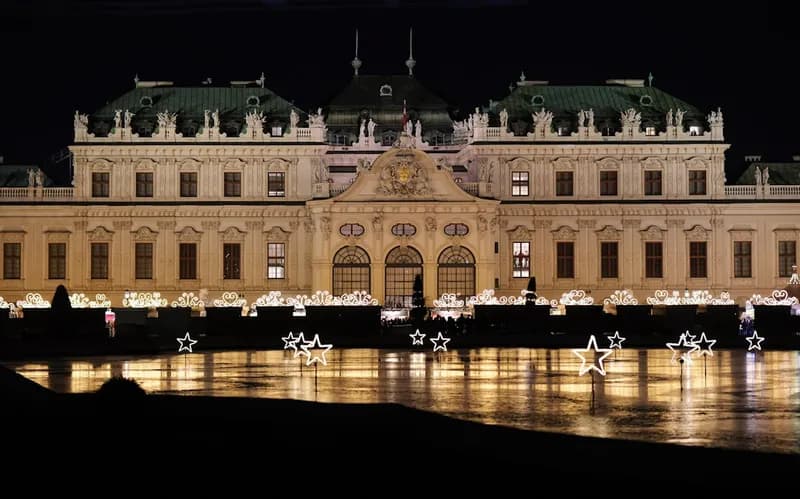
Vienna has a temperate Central European climate: warm summers, cold winters and beautiful, changeable shoulder seasons in between. When you go shapes your whole trip — the comfort of sightseeing, the size of the crowds and the price of flights and hotels, not to mention whether you catch the Christmas markets or the ball season. This guide runs through the weather season by season, with typical temperatures and what to pack, and pinpoints the best time to visit depending on whether you prioritise weather, quiet or budget.
Vienna weather season by season
1.Spring in Vienna (March–May)
Spring is one of the loveliest and most rewarding times to visit Vienna, as the city shakes off winter and bursts into life. March can still be chilly and changeable, a transitional month with cold days lingering, but through April and into May the weather warms pleasantly, with daytime temperatures climbing from around 10°C early in the season to a comfortable 18–20°C by late May, increasing sunshine, and the fresh, optimistic feel of a northern city in bloom. It is a beautiful season for Vienna's abundant green spaces and formal gardens: the Schönbrunn and Belvedere gardens, the Volksgarten's famous rose beds, the Stadtpark and the Prater come alive with blossom, tulips and new leaf, making park strolls and palace-garden visits especially delightful. Crucially, spring falls largely outside the peak tourist crush and the priciest periods, so you benefit from thinner crowds at the major sights, more availability and generally moderate flight and hotel prices — with the notable exception of the Easter holiday period, when prices and visitor numbers rise and the city hosts charming Easter markets. The weather is changeable, so the key is to dress in layers and carry a light waterproof, ready for both warm sunny spells and cooler, showery interludes, with comfortable shoes for all the walking. With mild temperatures ideal for sightseeing on foot, gardens at their most beautiful, cultural life in full swing before the summer lull, and the sweet spot of fewer crowds and reasonable costs, spring — particularly April and May — is arguably the best overall season to experience Vienna, combining pleasant weather with the city at its most relaxed and affordable.
Hours
Longer daylight through spring; gardens at their best in April–May
Price
Moderate flight and hotel prices (bar Easter)
Getting there
Pack layers and a light rain jacket; comfortable walking shoes for park visits
Insider tip: One of the best times to visit — mild, blossoming and less crowded, though pack layers and a light rain jacket for changeable days.
2.Summer in Vienna (June–August)
Summer is Vienna's warmest, liveliest and busiest season, with average daytime highs around 23–26°C and frequent hotter spells pushing towards or past 30°C, especially in July and August, when the city can feel genuinely hot and a little humid. The long days, with daylight lasting until around nine in the evening, and the generally sunny, settled weather (with the odd dramatic summer thunderstorm) create a wonderful atmosphere for enjoying the city outdoors. This is when Vienna's abundant outdoor life comes into its own: café and restaurant terraces spill onto the streets and squares, the Danube Island and the canal-side bars buzz with locals swimming, cycling and drinking by the water, the Prater funfair is in full swing, and the Heuriger wine taverns in the vineyard villages are at their most inviting. The city lays on a rich programme of open-air events, much of it free, including the huge Donauinselfest music festival in June, the popular Film Festival on Rathausplatz with its giant screen and food stalls throughout July and August, and numerous concerts and cultural happenings, giving summer evenings a festive energy. The trade-offs are crowds and cost: summer is peak tourist season, so the major sights are at their busiest and flight and hotel prices at their highest, particularly in July and August (note, though, that some cultural institutions like the State Opera close for part of the summer). To cope with the heat, pack light, breathable clothing, sun protection and water, take advantage of the air-conditioned museums and the many parks and swimming spots, and enjoy the long evenings. Lively, sunny, sociable and packed with free outdoor culture but hot, crowded and expensive, summer suits those who prioritise atmosphere and festivals over quiet and value.
Hours
Long daylight to ~21:00; outdoor events all summer
Price
Highest flight and hotel prices, especially July–August
Getting there
Pack light, breathable clothes, sun protection and water; a light layer for evenings
Insider tip: Warm, lively and long-dayed, with free festivals and film screenings, but the busiest and priciest season — book ahead and expect some hot, humid spells.
3.Autumn in Vienna (September–November)
Autumn is a beautiful and highly recommended time to visit Vienna, with early autumn in particular rivalling spring as the ideal season. September is often still warm and settled, effectively an extension of summer with daytime temperatures around 18–22°C but with the crowds and prices of the peak beginning to ease, making it perhaps the sweetest spot of the whole year — pleasant weather for sightseeing on foot, cultural life resuming after the summer lull as the opera and concert seasons restart, and a more relaxed, affordable feel. October continues fine but cooler, around 12–16°C, with crisp, clear days and the city's many parks, the Vienna Woods and the surrounding vineyards turning glorious shades of gold, red and amber, ideal for walks and day trips such as the Wachau Valley at harvest time. Autumn is also the season of the new wine: the Heuriger wine taverns in the vineyard villages are at their liveliest as the year's vintage is celebrated, and you can sample the cloudy, sweet, fermenting 'Sturm' — a real seasonal treat. By November the weather turns markedly colder, greyer and damper, with temperatures dropping towards 4–9°C, shorter days and more overcast skies, and it becomes one of the cheapest and quietest times to visit, right before the Christmas-market season transforms the city and prices in late November. To make the most of autumn, dress in layers for warm afternoons and cool evenings early in the season, adding a proper coat, scarf and umbrella as November arrives. With fine, golden weather and fewer crowds in September and October, the atmospheric wine season, resurgent culture and low prices in early-to-mid autumn, this is one of the most appealing and best-value seasons to experience Vienna.
Hours
Shortening days; wine-tavern season peaks in autumn
Price
Moderate in Sep–Oct, cheap in Nov (before the Christmas markets)
Getting there
Layers for warm days and cool evenings; a warmer coat and umbrella by November
Insider tip: Early autumn rivals spring as the best time to visit — warm, golden and calmer; November turns cold and grey but very cheap (before the markets).
4.Winter in Vienna (December–February)
Winter in Vienna is cold, with average daytime temperatures hovering around freezing to 5°C, frequent grey and overcast skies, occasional snow that dusts the palaces and rooftops beautifully, and short days, but it is also a season of real magic and, outside the festive peak, excellent value. The undisputed highlight is the Christmas-market season, which runs from mid-November through December and transforms the city: dozens of Advent markets, the grandest in front of the illuminated neo-Gothic City Hall (Rathausplatz) and others at Schönbrunn, Belvedere, Spittelberg, Am Hof and Maria-Theresien-Platz, fill the squares with wooden stalls selling handicrafts, decorations and gifts, the scent of roasting chestnuts and warming mugs of spiced mulled wine (Glühwein and hot punch), creating an irresistibly cosy, romantic atmosphere as the city sparkles with lights. This makes December hugely popular, pushing flight and hotel prices up, with the days around New Year — famous for the Vienna Philharmonic's New Year's Concert and the start of the glittering ball season — the busiest and dearest of all. Once the festivities pass, however, January and February become the cheapest and quietest months to visit, ideal for those seeking bargains and few crowds, when you can enjoy the imperial sights, warm coffee houses and world-class museums, opera and concerts (the cultural season in full swing) without the summer throngs, and experience the elegant Vienna ball season in full flow. To enjoy winter, wrap up warmly with a proper coat, hat, gloves and waterproof boots, embrace the cosy indoor culture of cafés, museums and concerts between forays into the cold, and — if the markets are your goal — book December well ahead. Atmospheric and festive in December, serene and cheap in the depths of January and February, winter offers two very different but rewarding sides of Vienna.
Hours
Short days; Christmas markets mid-Nov–Dec; ball season Jan–Feb
Price
Expensive around the markets/New Year; cheapest in January–February
Getting there
Pack a warm coat, hat, gloves and waterproof boots; layers for heated interiors
Insider tip: Cold and often grey, but magical in December for the Christmas markets and balls; January–February are the cheapest, quietest months to visit.