Vienna makes a superb base for exploring Austria and beyond. Within an hour or two you can cruise the vineyard-lined Wachau Valley, tour the golden abbey of Melk, wander laid-back Bratislava across the border or ride a UNESCO mountain railway into the Alps; fast trains reach Mozart's Salzburg and the storybook lakeside village of Hallstatt for the day. Here are the six best excursions, each with realistic travel times, ticket prices and tips on how to make the most of a day away from the city.
 Train + boat ~€35
Wachau Valley & Dürnstein
Area
80 km west
Distance
1–1.5 hours
“Take the train to Krems or Melk and cruise the Danube between them — Dürnstein's blue-towered abbey and Richard the Lionheart's castle ruin are the highlights.”
 Railjet from ~€25
Salzburg
Area
300 km west
Distance
2.5 hours
“The fast Railjet makes Mozart's baroque birthplace a (long) day trip — do the old town, the fortress and, for fans, the Sound of Music sights.”
 Train ~€16
Bratislava
Area
80 km east
Distance
1 hour
“Slovakia's compact capital is the closest and cheapest day trip — the twist-tower castle, tiny old town and quirky statues do easily in a day; the Twin City Liner boat is a fun alternative.”
 Train ~€15; abbey €15
Melk Abbey
Area
80 km west
Distance
1 hour
“One of Europe's grandest Baroque monasteries above the Danube — the golden library and frescoed hall are stunning; pair it with a Wachau river cruise.”
 Train ~€55
Hallstatt
Area
290 km west
Distance
3–4 hours
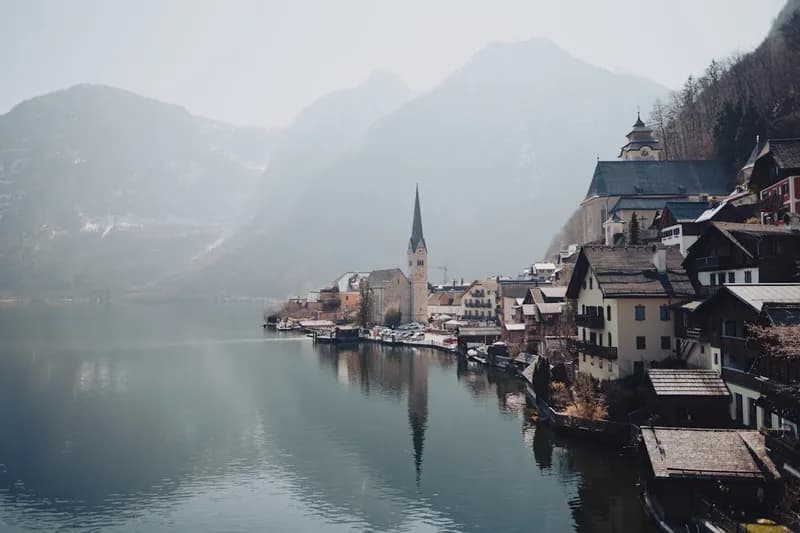
“Austria's most photographed village, a lakeside jewel in the Salzkammergut — it's a long haul for a day, so start very early or, better, stay a night.”
 Train ~€25
Semmering Railway
Area
90 km southwest
Distance
1.5 hours
“Ride the UNESCO-listed mountain railway through tunnels and viaducts into the Alps, then walk the scenic Bahnwanderweg trail beneath the arches.”
Day trips from Vienna in detail
1.Wachau Valley & Dürnstein
The Wachau Valley is the most beautiful and rewarding day trip from Vienna, a gorgeous UNESCO World Heritage stretch of the Danube between the towns of Melk and Krems where the river winds through steep terraced vineyards, apricot and peach orchards, ruined hilltop castles, Baroque monasteries and impossibly pretty wine villages. The classic way to experience it combines rail and river: take the train from Vienna to Krems or Melk in around an hour to ninety minutes, then board one of the leisurely Danube cruise boats that glide along the valley between the two towns (from April to October), letting the scenery drift past from the deck. The undisputed jewel is Dürnstein, a tiny, enchanting village of cobbled lanes crowned by the unmistakable blue-and-white tower of its Baroque abbey church, and overlooked by the dramatic ruins of the castle where the English king Richard the Lionheart was famously held prisoner in the 1190s — a steep but rewarding climb offers superb views over the river and vineyards. At the western end, the enormous golden Benedictine abbey of Melk sits majestically above the water. Along the way, the region's crisp white wines (especially Grüner Veltliner and Riesling) and its apricot products — jam, schnapps, dumplings — are delicious specialities to sample in the village Heurigen and inns. A full day allows time for the boat, a wander and a climb in Dürnstein, and a visit to Melk or Krems. Scenic, historic, relaxing and delicious, the Wachau is an essential escape into the Austrian countryside and the finest day out from the capital.
Hours
Full-day trip; Danube boats run Apr–Oct
Price
Train ~€20 return; Danube boat Melk–Krems ~€28; combine as a loop
Getting there
Train from Wien Franz-Josefs-Bahnhof/Hauptbahnhof to Krems or Melk (~1–1.5h), then a river boat between the two
Insider tip: Take the train to Krems or Melk and cruise the Danube between them — Dürnstein's blue-towered abbey and Richard the Lionheart's castle ruin are the highlights.
2.Salzburg
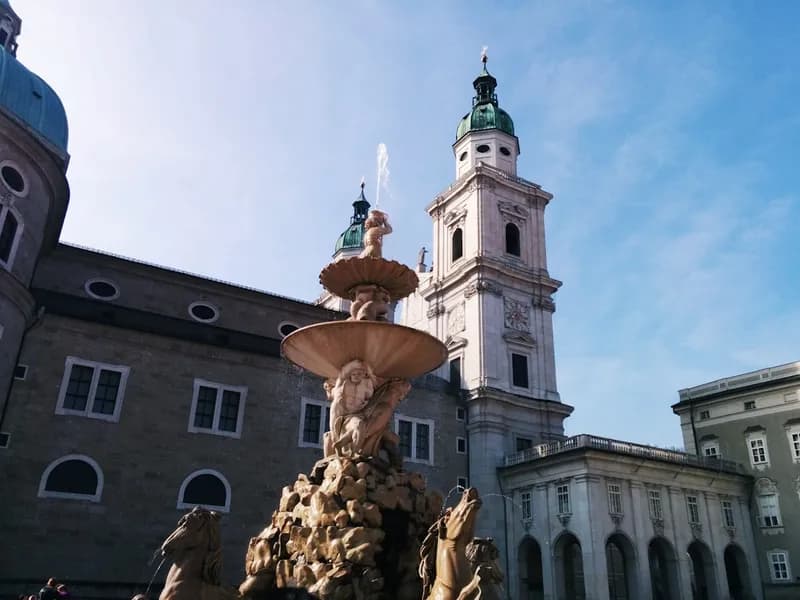
Salzburg, the beautiful Baroque city on Austria's western edge, is an ambitious but very doable and hugely rewarding day trip from Vienna thanks to the frequent, fast and comfortable Railjet trains that link the two in about two and a half hours. Set dramatically between wooded hills and framed by the Alps, with the Salzach river running through it, Salzburg is one of the most gorgeous small cities in Europe, its compact UNESCO-listed old town a picture-perfect maze of narrow lanes, elegant squares, domed churches, wrought-iron shop signs and grand Baroque architecture, all watched over by the mighty Hohensalzburg Fortress perched on its crag above. The city is inseparable from two cultural giants. It is the birthplace of Wolfgang Amadeus Mozart, whose colourful birth house and family residence are among the main sights, and whose music fills the churches and concert halls. And it is the setting of the beloved film 'The Sound of Music', drawing fans to locations like Mirabell Palace and its gardens, the Nonnberg Abbey and the lakes and hills beyond. A day allows time to wander the old town, ride the funicular up to the fortress for sweeping views, visit the cathedral and a Mozart site, stroll the Mirabell gardens and sample local treats like Mozartkugeln chocolates and Salzburger Nockerl. To make it work, catch an early train and book tickets ahead for the cheapest fares. It is a long day and the city merits an overnight if you can, but even a single day delivers an unforgettable dose of Baroque beauty, music and Alpine scenery, a wonderful contrast to imperial Vienna.
Hours
Full-day trip; sights daily, some closed Mon
Price
Railjet return from ~€50 (cheaper booked ahead); fortress funicular & museums extra
Getting there
Direct Railjet train from Wien Hauptbahnhof to Salzburg (~2.5h, hourly)
Insider tip: The fast Railjet makes Mozart's baroque birthplace a (long) day trip — do the old town, the fortress and, for fans, the Sound of Music sights.
3.Bratislava
Bratislava, the capital of neighbouring Slovakia, is the easiest, closest and cheapest international day trip from Vienna, sitting just an hour east down the Danube and making a fun, relaxed contrast to the grandeur of the Austrian capital. Direct trains run frequently and cheaply from Vienna's main station, and in summer you can even arrive in style aboard the Twin City Liner catamaran that speeds along the Danube between the two cities. Bratislava is a manageable, human-scale city easily explored on foot in a day. Its charming, compact old town is a pleasant maze of pastel Baroque and Rococo houses, pedestrian lanes, lively café and restaurant terraces, and pretty squares centred on the old town hall, dotted with the city's famous quirky bronze statues — most beloved being 'Čumil', a workman peeking out of a manhole. Above the town rises the boxy, four-towered Bratislava Castle, rebuilt in gleaming white, whose ramparts give fine views over the red rooftops, the sprawling Danube and, on a clear day, three countries. Other sights include St Martin's Cathedral, the blue Art Nouveau church of St Elizabeth, and the quirky UFO observation deck on the SNP bridge. A real draw for many is value: food, drink and coffee are noticeably cheaper than in Vienna, making it a great spot for an affordable lunch or dinner of hearty Slovak fare and beer. Bratislava will not overwhelm you with must-see monuments, but its easygoing charm, walkability, castle views, quirky character and bargain prices make it a genuinely enjoyable and effortless day out across the border from Vienna.
Hours
Full-day trip; sights daily, some closed Mon
Price
Train return ~€16 (or day tickets); catamaran on the Danube ~€20–35 each way
Getting there
Direct train from Wien Hauptbahnhof to Bratislava (~1h); or the Twin City Liner catamaran along the Danube in summer
Insider tip: Slovakia's compact capital is the closest and cheapest day trip — the twist-tower castle, tiny old town and quirky statues do easily in a day; the Twin City Liner boat is a fun alternative.
4.Melk Abbey
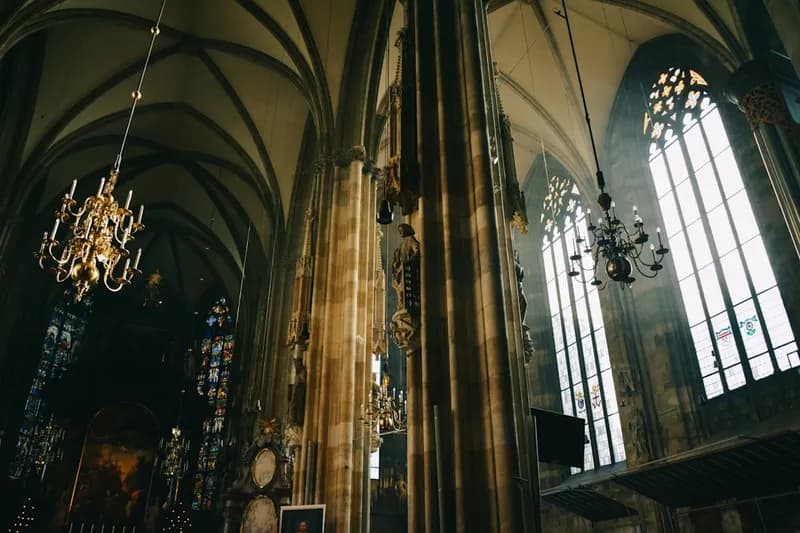
Stift Melk, the great Benedictine abbey of Melk, is one of the most magnificent Baroque buildings in the world and a spectacular day trip from Vienna, standing in golden-yellow splendour on a rocky bluff high above the Danube at the western gateway to the Wachau Valley. Founded in 1089 and rebuilt in its current glorious form in the early eighteenth century, the abbey is a masterpiece of Austrian Baroque, and a guided or self-guided tour of its state rooms reveals treasure after treasure. The showstoppers are the abbey church, a riot of gilded, frescoed, marbled Baroque exuberance beneath a soaring dome, and above all the breathtaking library, a vast hall lined floor to ceiling with tens of thousands of ancient leather-bound volumes beneath a magnificent ceiling fresco, one of the most beautiful monastic libraries anywhere and a genuine 'wow' moment. The Marble Hall, with its illusionistic painted ceiling, and the long terrace and balcony linking it to the church, which offers sweeping views over the river, the town and the surrounding countryside, complete the experience, along with a museum tracing the monastery's thousand-year history and pleasant terraced gardens. The little town of Melk at the foot of the abbey is charming for a stroll and lunch. Reached in about an hour by direct train from Vienna, Melk works beautifully as a half-day in its own right or, ideally, as one end of a full-day Wachau Valley trip combined with a Danube river cruise to Dürnstein and Krems. For lovers of architecture, history and sheer Baroque grandeur, Melk Abbey is unmissable.
Hours
Abbey daily ~09:00–17:30 (shorter/guided-only in winter)
Price
Abbey ~€15 (with garden); train return ~€30
Getting there
Train from Wien Hauptbahnhof/Westbahnhof to Melk (~1h), then a short walk uphill to the abbey
Insider tip: One of Europe's grandest Baroque monasteries above the Danube — the golden library and frescoed hall are stunning; pair it with a Wachau river cruise.
5.Hallstatt
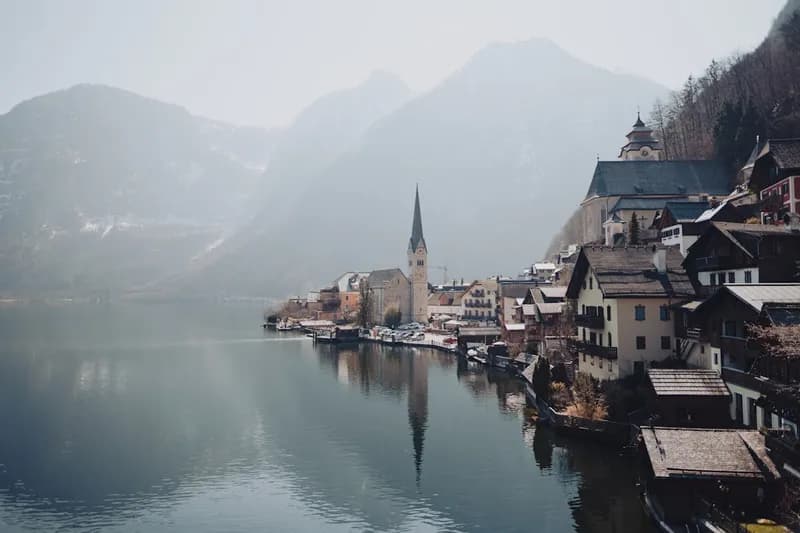
Hallstatt is the most photographed village in Austria and one of the most beautiful in the world, a tiny, storybook cluster of pastel houses, flower-decked balconies and a slender church spire wedged impossibly onto a narrow ledge between a glassy Alpine lake and steep, forested mountains in the Salzkammergut lake district. Its fame is now global — it has even been copied wholesale as a replica town in China — and the classic view of the village reflected in the still water, framed by peaks, is the definitive image of romantic Austria. Beyond simply soaking up the scenery, wandering the car-free lanes, and taking a boat or ferry on the lake, there is real substance: Hallstatt has been mined for salt for some seven thousand years, giving its name to an entire era of prehistory (the Hallstatt culture), and the ancient salt mine above the village, reached by funicular, offers tours through the underground workings along with the dramatic 'Skywalk' viewing platform overlooking the lake and village far below. It is genuinely lovely, but two caveats matter. First, it is very popular and can feel overwhelmed by day-trippers in peak season, so early morning or an overnight stay rewards you with the magical, quiet version. Second, and importantly for planning, it is a long way from Vienna — around three and a half to four hours each way by train (with a change and a scenic ferry across the lake to reach the village), which makes it a very long day trip. Many travellers prefer to stay a night, or to visit as part of a wider tour of the lakes and Salzburg. If you do go for the day, start at dawn, book train tickets ahead, and be prepared for a lot of travel — but the reward is one of the most breathtaking spots in the Alps.
Hours
Full-day or overnight; salt mine & skywalk seasonal
Price
Train return from ~€60 (book ahead); salt mine ~€40
Getting there
Train from Wien Hauptbahnhof (change at Attnang-Puchheim) to Hallstatt station, then the ferry across the lake (~3.5–4h total)
Insider tip: Austria's most photographed village, a lakeside jewel in the Salzkammergut — it's a long haul for a day, so start very early or, better, stay a night.
6.Semmering Railway
The Semmering Railway offers one of the most rewarding and unusual day trips from Vienna, combining a ride on a genuine engineering marvel with easy access to beautiful Alpine scenery and walking, all within about ninety minutes of the city. Opened in 1854, the Semmering was the first true mountain railway in the world to be built across high mountains, an astonishing feat of nineteenth-century engineering that climbs over the Semmering pass through a remarkable series of curved tunnels, towering multi-arched stone viaducts and cuttings carved into steep, wooded slopes, and it was recognised as a UNESCO World Heritage Site for its pioneering fusion of technology and landscape. Simply riding the regular scheduled train over the pass is a scenic delight in itself, the carriage winding slowly across the dramatic viaducts with sweeping views over forested valleys and mountains, but the trip becomes really special if you get off and explore. The area around Semmering and neighbouring Payerbach-Reichenau was a fashionable Alpine resort in the imperial era, dotted with grand villas and Belle Époque hotels, and it offers excellent, well-marked walking. The signature route is the Bahnwanderweg, a scenic trail that follows the line and lets you walk beneath and alongside the famous viaducts and tunnels, admiring the engineering from the outside and enjoying panoramic viewpoints, while other trails lead higher into the hills and to the Sonnwendstein peak. In winter there is modest skiing and snow walking. Fresh air, mountain scenery, a fascinating piece of railway heritage and good hiking, all reached by a straightforward and inexpensive direct train, make the Semmering a superb and refreshing escape into the Alps from Vienna, ideal for a fine-weather day.
Hours
Full-day trip; trains run year-round
Price
Train return ~€25; walking trails free
Getting there
Direct train from Wien Hauptbahnhof over the Semmering pass (~1.5h); alight at Semmering or Payerbach-Reichenau
Insider tip: Ride the UNESCO-listed mountain railway through tunnels and viaducts into the Alps, then walk the scenic Bahnwanderweg trail beneath the arches.