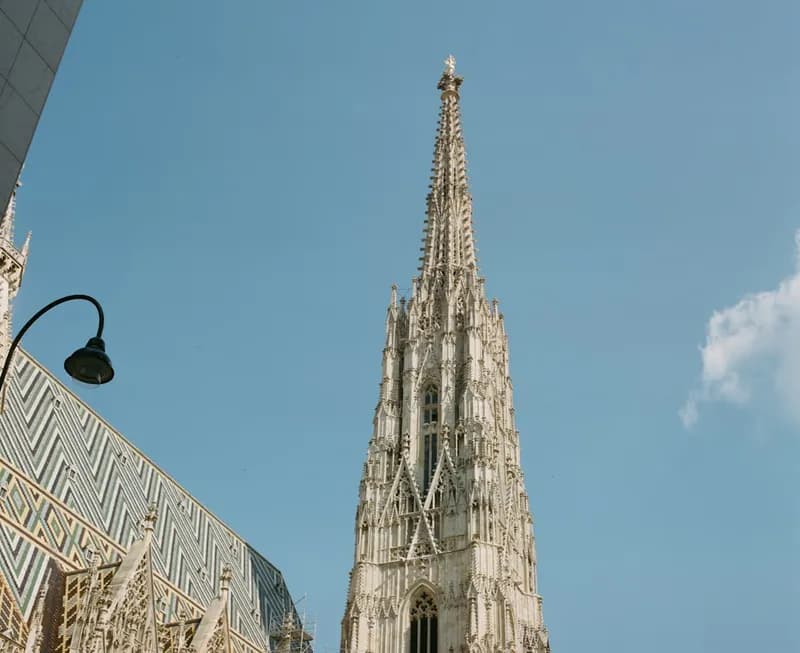
Vienna can be a surprisingly affordable city break — so much of it, from the churches and palace gardens to the parks, the Ring and standing-room opera tickets, is free or cheap — or a grand splurge, depending on how you travel. This guide breaks down the real costs: when flights are cheapest, sensible daily budgets from backpacker to luxury, what attractions and museums charge, how much meals and coffee-house treats cost, and getting-around fares, all with practical tips to make your euros go further.
The cost of visiting Vienna
1.When is it cheapest to fly to Vienna?
Vienna is a year-round city-break destination, and the cost of flying there swings with the seasons, so timing your trip can save a good deal of money. The cheapest months to fly are in the depths of the winter low season — February and November stand out as the best value, with average round-trip fares dipping to around $248, roughly a third to 40% cheaper than the summer peak — with January also cheap once the New Year rush has passed. Prices climb through spring, and the summer months of June, July and August are the most expensive, when warm weather and school holidays drive fares to around $400 return and beyond, with August often the priciest. The shoulder seasons of April–May and September–October offer a sweet spot of pleasant weather, thinner crowds and moderate prices. One important exception to the winter bargain rule is the Christmas-market and New Year period: from late November through December, Vienna's famous Advent markets make it hugely popular, pushing December flight and hotel prices up sharply, and the days around New Year (when the city hosts its famous concerts and balls) are dearest of all. To get the best fares whenever you go, book around five to seven weeks in advance, be flexible with your dates, and fly midweek (Tuesday and Wednesday departures are typically cheaper than weekends, as Vienna is a popular weekend-break city). Austrian Airlines, the flag carrier hubbed in Vienna, offers wide connectivity and periodic sales, while low-cost carriers serve the city from many European cities. Setting a price alert and comparing across the search tool lets you pounce when fares drop. In short: for the cheapest flights, target February or November, avoid the Christmas and summer peaks, book a month or two ahead and choose midweek dates.
Hours
Low season Nov–Mar (excl. Christmas markets & New Year); high season Jun–Aug
Price
From ~$248 round-trip in Feb; ~$400 in the July peak
Getting there
Compare fares in the search widget on the Vienna flights page; set price alerts and stay flexible
Insider tip: February and November are the cheapest months; book 5–7 weeks ahead and fly midweek for the best fares.
2.Daily budget: how much to spend
Vienna is a fairly expensive Western European capital but not an extreme one — comparable to or a little cheaper than Paris, London or the Nordic cities, and more expensive than neighbouring Prague, Budapest or Bratislava — and how much you spend depends heavily on your style. A budget backpacker can get by on roughly €60–80 a day: a hostel dorm bed (around €25–40), self-catering or cheap eats like a sausage stand, a slice of pizza, a Naschmarkt snack or a giant budget schnitzel (€5–13), a transport pass, and a diet of the city's many free sights — its churches, parks, markets, the Ring, the Belvedere gardens, and standing-room opera tickets from €13 — keeps costs down. A comfortable mid-range traveller should budget around €120–200 a day per person including a decent three-star or boutique hotel room (shared, so €60–120 each), sit-down restaurant meals and coffee-house treats (€15–35 per meal), public transport and a couple of paid attractions or a concert. Luxury travellers staying in the grand palace hotels and dining in fine restaurants will spend €350 a day and up with ease. Beyond accommodation, the main costs are food and sightseeing, and both offer easy savings: eat your main meal at lunch when many restaurants offer cheaper set menus, graze the markets, picnic in the parks, take advantage of the numerous free or cheap attractions, buy a transport pass rather than singles, and use standing-room tickets for the opera and cheaper gallery-tier seats for concerts. Coffee-house culture, while a lovely indulgence at €5–7 a cup, is one where you pay for the right to linger for hours, which is good value in its way. With a little planning, Vienna can be enjoyed richly across a wide range of budgets.
Hours
Year-round; low season stretches budgets further
Price
Backpacker ~€60–80/day; mid-range ~€120–200/day; luxury €350+/day (excl. flights)
Getting there
Mix free sights, market lunches, transport passes and standing-room tickets to cut costs
Insider tip: Budget around €70–100 a day as a mid-range traveller excluding your hotel; free sights, self-catering and standing-room opera tickets stretch it far.
3.Attraction & museum ticket prices
Vienna's world-class palaces and museums are a major draw but individual admission adds up, so it helps to know the costs and the ways to save. The headline sights sit broadly in the €15–31 range: Schönbrunn Palace costs around €27 for the Grand Tour (less for the shorter Imperial Tour), the Belvedere with Klimt's 'The Kiss' is €17.50, the Kunsthistorisches Museum €21, the Natural History Museum €16, the Hofburg's Sisi Ticket (Imperial Apartments, Sisi Museum, Silver Collection) €19.50, the Imperial Treasury €14, the Albertina €16.90, and the Leopold Museum in the MuseumsQuartier €17. Concerts and the opera vary hugely, from €13 standing-room places at the State Opera to €30–120+ for good seats at the Musikverein. If you plan to visit many paid attractions in a short time, the Vienna Pass (an all-inclusive card giving free entry to dozens of sights plus a hop-on-hop-off bus) can save money — but only if you sightsee intensively, so tot up what you actually intend to see first; for a more relaxed itinerary of a few sights, paying individually is usually cheaper. Numerous combined tickets also offer savings, such as the Kunsthistorisches plus Natural History Museum combo. Crucially, a great deal of Vienna is free or cheap: all the churches including Stephansdom's nave, the Belvedere and palace gardens, the parks, the Ring, the Naschmarkt, the Prater park, the atmospheric Central Cemetery and simply wandering the imperial streetscape cost nothing, and under-19s enter many state museums free. Booking the big sights online secures timed entry and skips queues. Balance a few paid highlights with the city's abundant free pleasures and your sightseeing budget will stretch comfortably.
Hours
Most museums 09:00/10:00–18:00; some evening openings; several closed Mon
Price
Schönbrunn €27; Belvedere €17.50; KHM €21; Hofburg Sisi Ticket €19.50; Albertina €16.90; many churches & parks free
Getting there
Book major sights online for timed entry; consider combined tickets or the Vienna Pass for heavy sightseeing
Insider tip: The great palaces and museums run €15–31 each, so if you'll see several, the Vienna Pass or combined tickets can pay off; many churches and parks are free.
4.Food, coffee & drink costs
Eating and drinking in Vienna spans a wide price range, and knowing the norms helps you enjoy the city's superb food culture without overspending. At the cheap end, the classic Viennese Würstelstand (sausage stand) serves a filling sausage with bread and mustard for around €4–6, and quick bites like a slice of pizza, a kebab, a Trzesniewski open sandwich or a market snack cost similar; a giant budget schnitzel at a no-frills Gasthaus runs about €10–13. A casual sit-down main in a traditional Beisl or restaurant typically costs €12–20, a mid-range dinner with a drink €25–45 per person, and fine dining far more, with tasting menus at the Michelin-starred temples running €130–235. Coffee-house culture is a quintessential Viennese pleasure and, while a Melange or Verlängerter costs a seemingly steep €4–7 and a slice of Sachertorte or Apfelstrudel €5–9, the price buys you the right to linger for hours over a newspaper in a grand salon, which is arguably good value. Drinks are moderate: a half-litre of beer is around €4–5, a glass of good Austrian wine €4–7, and tap water is safe and excellent (Vienna's Alpine spring water is a point of civic pride), though restaurants may charge for a bottle. To eat well for less, adopt the local habit of taking your main meal at lunchtime, when many restaurants offer a cheaper set 'Mittagsmenü'; graze the Naschmarkt and other markets; picnic in the parks; and choose neighbourhood Beisln over tourist-strip restaurants around Stephansplatz, where prices are inflated. Tipping is customary but modest — round up or add around 5–10%, handed directly to the server rather than left on the table. With a mix of stands, markets, lunch deals and the occasional coffee-house or restaurant treat, you can eat memorably across every budget.
Hours
Cafés from morning; restaurants lunch & dinner; sausage stands often late
Price
Coffee €4–7; cake €5–9; casual main €12–20; mid restaurant dinner €25–45; beer €4–5; Würstel snack €4–6
Getting there
Lunch set menus (Mittagsmenü), markets and sausage stands cut costs; tip ~5–10%
Insider tip: A coffee-house Melange runs €5–7, a casual main €12–20 and a sausage-stand snack under €6 — eat your big meal at lunch for cheaper set menus.