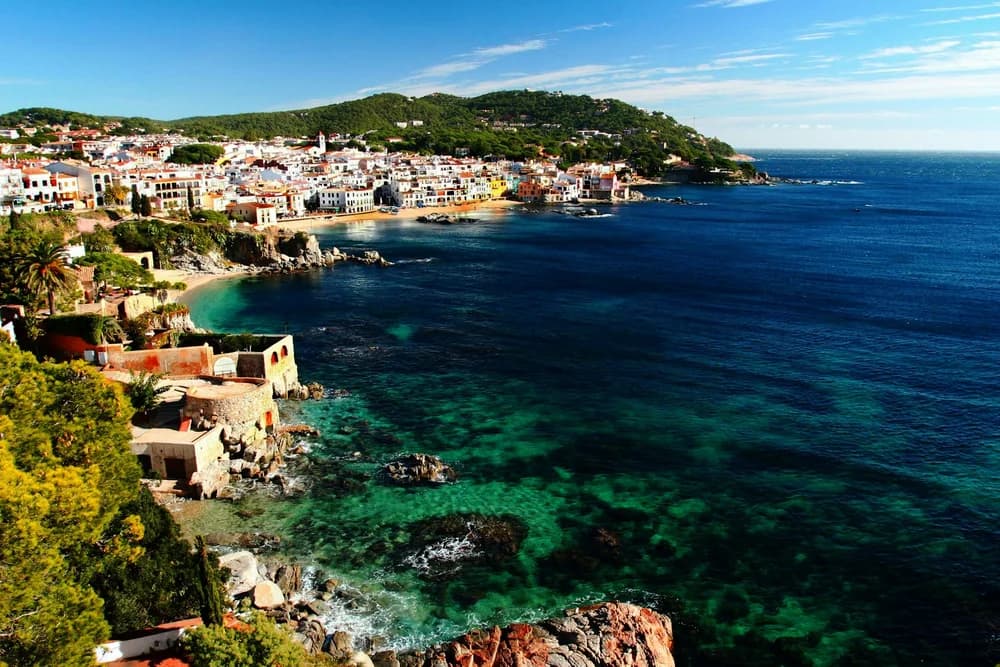
Few cities sit at such a crossroads. From Dubrovnik you can cross into Montenegro to the fjord-like Bay of Kotor, into Bosnia to Ottoman Mostar and its diving bridge, or hop by boat to a string of car-free islands, all in a day. Closer to home lie the oyster beds and wineries of the Pelješac peninsula, charming little Cavtat, the green lakes of Mljet and Roman Split up the coast. Here are the best day trips, with real distances, transport and tips — and don't forget your passport for the border runs.
 €50–100
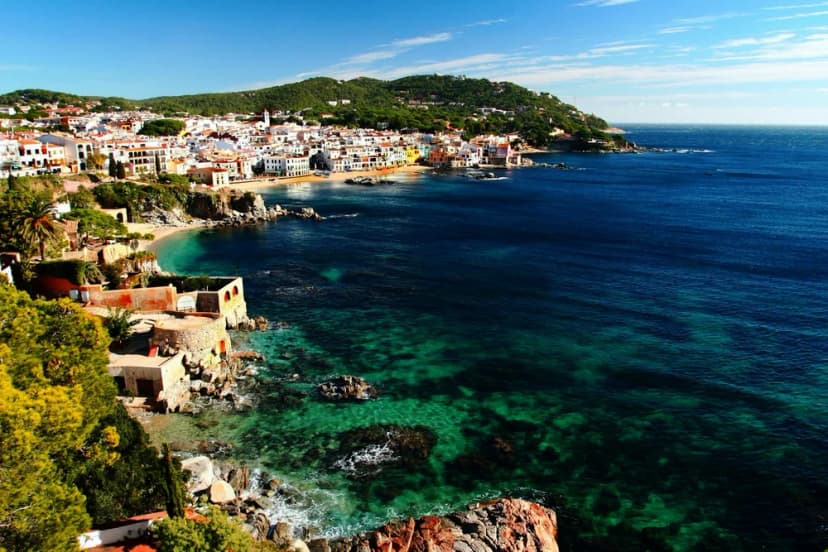
Kotor, Montenegro
Area
Montenegro
Type
Cross-Border Town
“Bring your passport — this crosses into Montenegro. Leave by 07:00–08:00 to beat the border queues, which can hit 1–2 hours in peak summer.”
 €45–90
Mostar, Bosnia & Herzegovina
Area
Bosnia & Herzegovina
Type
Cross-Border Town
“Come to see the iconic rebuilt Ottoman Stari Most bridge and its famous divers. Passport required; many tours pair it with the dervish house at Blagaj or Kravice waterfalls.”
 €40–60
Elaphiti Islands
Area
Adriatic (off Dubrovnik)
Type
Island Cruise
“The easiest, most relaxing day trip — a car-free three-island cruise with swimming stops and lunch aboard. Lopud's Šunj is one of the coast's rare sandy beaches.”
 €
€Ston & Pelješac Peninsula
Area
Pelješac
Type
Walls, Oysters & Wine
“Climb the 'European Great Wall' of Ston, slurp just-harvested oysters at Mali Ston, then taste bold Plavac Mali reds at the Pelješac wineries — a foodie's dream day.”
 €
€Cavtat
Area
Konavle (south)
Type
Coastal Town
“The easiest half-day escape — a palm-lined seaside town 30 min away on bus 10 (or a summer boat shuttle), with art, coves and prices well below the Old Town.”
 €40–70
Mljet National Park
Area
Mljet Island
Type
National Park
“Croatia's greenest island — cycle or walk around two connected saltwater lakes and take the little boat to the island monastery. Go on a tour or the fast catamaran from Gruž.”
 €
€Split & Diocletian's Palace
Area
Dalmatia (north)
Type
Historic City
“Croatia's second city, built inside a living Roman emperor's palace. It's a long day by road, but the fast catamaran along the coast makes it more enjoyable in summer.”
Day trips from Dubrovnik in detail
1.Kotor, Montenegro
Kotor, across the border in Montenegro, is one of the most rewarding day trips from Dubrovnik — a UNESCO-listed medieval town set deep within the spectacular Bay of Kotor, a serpentine, fjord-like inlet where sheer mountains plunge straight into the sea. The drive there is an attraction in itself, hugging the dramatic coastline of the bay past waterside villages and the two islets off Perast. Kotor's own walled old town is a labyrinth of atmospheric squares, churches and stone alleys, less polished and less crowded than Dubrovnik, guarded by 4.5 km of fortifications that zigzag improbably up the mountainside to St John's Fortress — a stiff climb of some 1,350 steps rewarded by a breathtaking view over the red roofs and the bay far below. Prices in Montenegro are noticeably lower than in Croatia. The catch is the border: Montenegro is not in the EU, so you must carry a passport, and the Debeli Brijeg crossing can back up badly in July and August, with waits of one to two hours, which is why organised tours (€50–100 per person) leave at dawn. Self-driving in a hire car gives more flexibility but check your insurance covers Montenegro (a green card may be needed). Allow a full day, returning by early evening. For dramatic scenery, a magnificent walled town and a taste of a second country, Kotor is a superb outing.
Hours
Full-day tours depart ~07:00–08:00
Price
Guided full-day tour €50–100; self-drive fuel + tolls ~€40
Getting there
~2–2.5h by road via the Debeli Brijeg border crossing; guided tours or hire car
Insider tip: Bring your passport — this crosses into Montenegro. Leave by 07:00–08:00 to beat the border queues, which can hit 1–2 hours in peak summer.
2.Mostar, Bosnia & Herzegovina
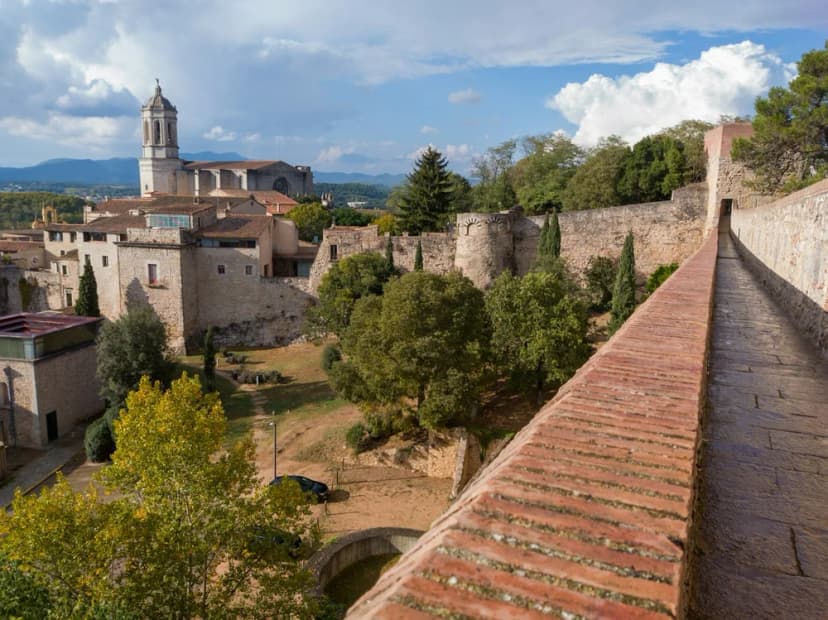
Mostar, in neighbouring Bosnia and Herzegovina, offers one of the most culturally fascinating day trips from Dubrovnik — a chance to step into a strikingly different world of Ottoman heritage, minarets and East-meets-West atmosphere within a few hours' drive. The town's centrepiece and symbol is the Stari Most (Old Bridge), a graceful single-arch stone bridge built by the Ottomans in 1566, destroyed during the war in 1993 and painstakingly rebuilt and reopened in 2004, now a UNESCO World Heritage Site; watching the local divers plunge from its 24-metre parapet into the emerald Neretva river below is an unforgettable spectacle. The cobbled old bazaar (Kujundžiluk) around it is a warren of coppersmiths, carpet sellers and Turkish-style cafés serving Bosnian coffee and grilled ćevapi, while poignant reminders of the 1990s conflict remain visible in shell-scarred and rebuilt buildings, adding a moving, reflective dimension to the visit. The journey takes around three hours each way, so most people come on an organised full-day tour (€45–90), which often bundles in other Herzegovinian highlights such as the beautiful Blagaj Tekke dervish monastery at the source of the Buna river, the Ottoman town of Počitelj, or the tiered Kravice waterfalls for a swim. A passport is essential as this crosses into non-EU Bosnia. It makes for a long but deeply rewarding day, combining stunning architecture, rich history and a taste of Bosnian culture and cuisine. For something genuinely different from the Adriatic coast, Mostar is exceptional.
Hours
Full-day tours depart ~07:00–08:00
Price
Guided full-day tour €45–90; often combined with Blagaj/Kravice
Getting there
~3h by road via a border crossing; guided tours or hire car (passport required)
Insider tip: Come to see the iconic rebuilt Ottoman Stari Most bridge and its famous divers. Passport required; many tours pair it with the dervish house at Blagaj or Kravice waterfalls.
3.Elaphiti Islands
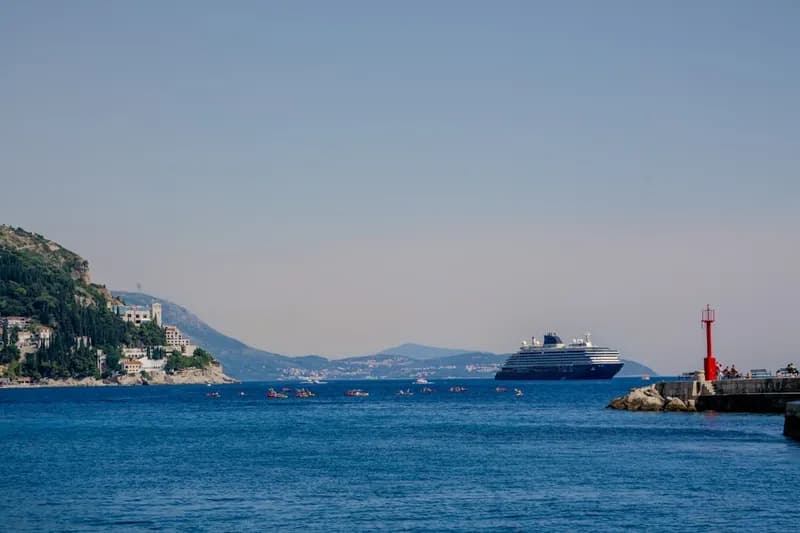
The Elaphiti Islands make the easiest and most relaxing day trip from Dubrovnik — no borders, no long drives, just a short boat ride to a trio of tranquil, car-free islands strung out just off the coast. A standard full-day cruise departs Gruž harbour around nine in the morning and visits the three inhabited Elaphiti: Koločep, the smallest and greenest, with a pretty village and rocky swimming spots; Lopud, the most popular, home to Šunj, one of the very few natural sandy beaches on this predominantly pebbly coast, backed by pine and cypress woods; and Šipan, the largest, dotted with the summer villas of the old Ragusan nobility. The islands' complete absence of cars lends them a wonderfully peaceful, timeless atmosphere, and the day revolves around swimming in clear coves, strolling sleepy village lanes and enjoying lunch (typically fish or chicken with salad and wine) served aboard as the boat cruises between them. Prices run €40–60 for the full day including lunch. For more independence you can instead take the scheduled Jadrolinija public ferry from Gruž (€6–10 one-way) and explore one island at your own pace, or even stay overnight on Lopud. Bring swimming things, sun protection and a hat. Compared with the long, passport-controlled trips to Montenegro and Bosnia, the Elaphiti offer pure, low-effort Adriatic relaxation and beautiful scenery close to home. For a gentle, sun-and-sea day out, they are the perfect choice.
Hours
Full-day tours depart Gruž ~09:00 in season
Price
Full-day tour €40–60 incl. lunch; scheduled ferry €6–10 one-way
Getting there
Tour boats and Jadrolinija ferries depart from Gruž harbour
Insider tip: The easiest, most relaxing day trip — a car-free three-island cruise with swimming stops and lunch aboard. Lopud's Šunj is one of the coast's rare sandy beaches.
4.Ston & Pelješac Peninsula
The Pelješac peninsula, about an hour's drive north of Dubrovnik, makes a superb day trip for lovers of history, food and wine, and works brilliantly as a self-drive or organised gastronomic tour. Its gateway is the twin town of Ston and Mali Ston, famous for two things. First, its extraordinary defensive walls: built by the Republic of Ragusa from the 14th century to protect its valuable salt pans, the 5.5 km fortifications are among the longest in Europe and often dubbed the 'European Great Wall of China', climbing dramatically over the hills between the two settlements — you can walk a stretch for around €10 and enjoy fine views. Second, its oysters: the sheltered channel at Mali Ston produces some of the finest oysters in Europe, and eating them just-harvested at a waterside restaurant, often for as little as €1–2 each, is a memorable treat, alongside fresh mussels and seafood. Beyond Ston, the peninsula is Croatia's premier red-wine region, its steep, sun-baked slopes producing powerful reds from the indigenous Plavac Mali grape, including the prestigious Dingač and Postup appellations; several family wineries welcome visitors for tastings. The area's salt pans, still worked by hand as they have been for centuries, are another draw. Combine wall-walking, an oyster lunch and a winery visit or two for a wonderful, leisurely day. A hire car gives the most freedom, though gastro-focused tours from Dubrovnik also run. For food and wine enthusiasts, Ston and Pelješac are unmissable.
Hours
Ston walls daily ~08:00–18:30 (seasonal); wineries by visit
Price
Ston walls ~€10; oysters ~€1–2 each; wine tastings vary
Getting there
~1h drive north; hire car ideal, or Libertas bus / organised gastro tours
Insider tip: Climb the 'European Great Wall' of Ston, slurp just-harvested oysters at Mali Ston, then taste bold Plavac Mali reds at the Pelješac wineries — a foodie's dream day.
5.Cavtat
Cavtat is the perfect easy, low-effort day (or half-day) trip from Dubrovnik — a pretty, relaxed coastal town just 15 km south, reachable in around 30 minutes on the number 10 bus from Pile Gate (about €6) or, more scenically, by a summer boat shuttle across the bay. Set on a sheltered wooded peninsula, Cavtat is older than Dubrovnik itself, founded by the ancient Greeks as Epidauros, and today offers a gentler, less crowded and more affordable counterpoint to the walled city. Its palm-lined seafront promenade (the Riva) is lined with cafés and restaurants at prices noticeably below the Old Town, and the calm, clear waters of its bays and coves make for lovely, easy swimming. Culturally it punches above its weight: it was the birthplace of Vlaho Bukovac, Croatia's most important 19th-century painter, whose childhood home is now the excellent Galerija Vlaho Bukovac (€5), displaying over 200 of his works and his preserved studio, while the hilltop cemetery holds the striking Račić Mausoleum sculpted by Ivan Meštrović. A gentle 45-minute walk around the pine-scented peninsula (the Rat) offers sea views and quiet spots to swim. With its unhurried pace, art, coves and value, Cavtat is ideal for a slower day away from the crowds, and its proximity makes it perfect if you only have half a day or want a relaxed family outing. For an easy, affordable and charming escape, Cavtat is hard to beat.
Hours
Always open; Bukovac museum ~09:00–17:00
Price
Bus 10 ~€6 one-way; Bukovac museum €5; boat shuttle ~€12
Getting there
Bus 10 from Pile Gate every 30 min (~30 min); or summer boat shuttle from the Old Town harbour
Insider tip: The easiest half-day escape — a palm-lined seaside town 30 min away on bus 10 (or a summer boat shuttle), with art, coves and prices well below the Old Town.
6.Mljet National Park
Mljet, one of the greenest and most unspoilt of Croatia's islands, is a beautiful nature-focused day trip from Dubrovnik, its western end protected as a national park of dense pine forest, two interconnected saltwater lakes and an idyllic island-within-a-lake. Reached by fast catamaran from Gruž harbour (around 1.5 hours) or on an organised boat tour, the park is a haven for gentle outdoor activity: you can walk or, better still, hire a bike to circle the shimmering Malo Jezero (Small Lake) and Veliko Jezero (Great Lake), whose warm, clear, sheltered waters are wonderful for swimming. A short boat ride (included in park entry) takes you across the Great Lake to the tiny islet of St Mary, where a 12th-century Benedictine monastery sits in serene isolation among the trees — one of the most photographed and tranquil spots in the country. Legend even holds that Odysseus was marooned on Mljet for seven years, and a cave on the coast bears his name. The island's tranquil, forested beauty and lack of crowds make it a restorative contrast to the bustle of Dubrovnik, ideal for those who love nature, cycling, walking and swimming in a pristine setting. Park entry is around €18 in summer, and organised tours (€40–70) handle the transfers and often include time in the park. Bring swimming things, comfortable shoes and water. For a peaceful, active day amid outstanding natural beauty, Mljet is a gem.
Hours
Park open daily; ferries/catamarans seasonal
Price
Park entry ~€18 summer; tours €40–70 incl. transfers
Getting there
Catamaran from Gruž (~1.5h) or organised boat tour; then walk/cycle in the park
Insider tip: Croatia's greenest island — cycle or walk around two connected saltwater lakes and take the little boat to the island monastery. Go on a tour or the fast catamaran from Gruž.
7.Split & Diocletian's Palace
Split, Croatia's lively second city and the capital of Dalmatia, makes an ambitious but rewarding day trip from Dubrovnik, offering a bigger, buzzier and very different urban experience. Its extraordinary heart is Diocletian's Palace, a sprawling Roman complex built around AD 305 as the retirement residence of the emperor Diocletian — but unlike a conventional ruin, the palace has been continuously inhabited for 1,700 years, its ancient walls, colonnaded Peristyle square, imperial mausoleum (now the cathedral) and vaulted cellars woven into a living, breathing old town full of cafés, bars, shops, apartments and market stalls. Wandering its warren of marble-polished alleys, where washing hangs between Roman columns and music drifts from hidden courtyards, is a wonderful, atmospheric experience, and climbing the cathedral bell tower rewards you with sweeping views over the terracotta rooftops and the sea. Beyond the palace, Split has a palm-fringed waterfront promenade (the Riva), the forested Marjan hill for walks and viewpoints, good beaches and a youthful, energetic vibe quite distinct from Dubrovnik's more polished, tourist-focused feel. The catch is distance: it is around three hours each way by road, making for a long day, though a seasonal fast catamaran along the coast is a more pleasant alternative in summer. Given the travel time, some prefer to visit Split as an overnight stop or en route rather than a single day trip. But for those keen to see Croatia's other great Dalmatian city and its remarkable Roman core, it is well worth the journey.
Hours
Palace/old town always open; cellars & sights ~09:00–20:00
Price
Free to wander; Diocletian's cellars & bell tower a few € each
Getting there
~3h by road (bus/car via the coast) or seasonal fast catamaran; long day trip
Insider tip: Croatia's second city, built inside a living Roman emperor's palace. It's a long day by road, but the fast catamaran along the coast makes it more enjoyable in summer.