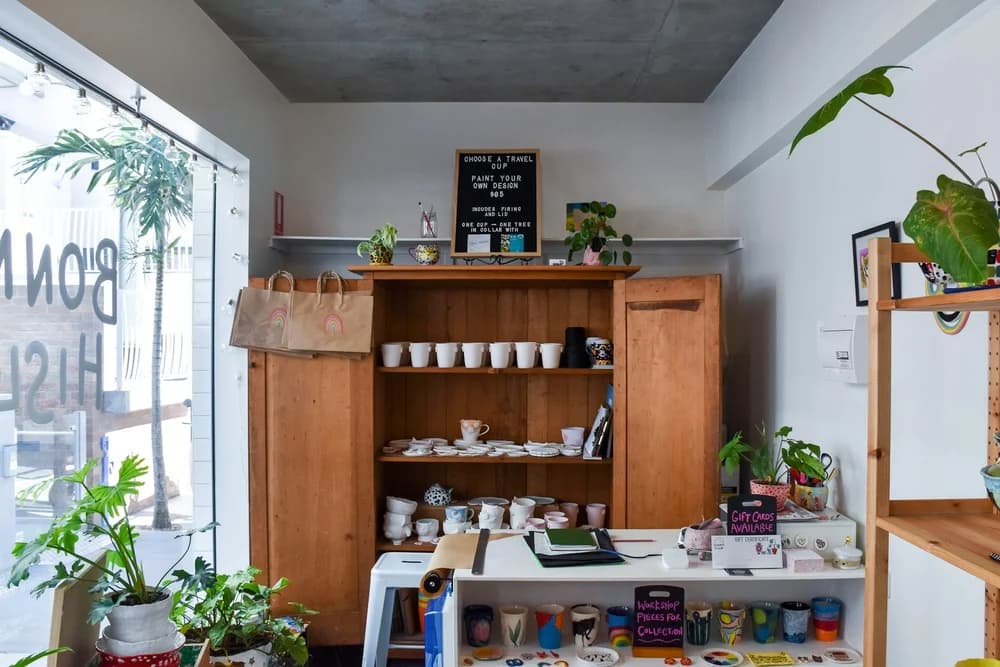
Marrakech is one of the world's great shopping cities, and its souks are the theatre where it all plays out. Traditionally each trade has its own quarter — spices and perfumes, blacksmiths, woodturners, leatherworkers, carpet dealers — so navigating the maze is half the fun and half the strategy. This guide maps the souks by trade, adds the calmer fixed-price concept stores and craft markets for stress-free browsing, and explains how to haggle, what typical souvenirs should cost, and how to spot quality so you buy well and pay fairly.
 Haggle
Souk Semmarine
Area
Medina
Type
Main covered souk
“The grand entrance to the souks — good for textiles, babouches and lanterns, but prices start high; haggle to a third.”
 Haggle
Souk El Attarine
Area
Medina
Type
Spice & metalware souk
“Follow the scent for spices, argan oil and perfumes, and look up for the glinting brass and copper lanterns.”
 Haggle
Souk Haddadine
Area
Medina
Type
Blacksmiths' souk
“Follow the ringing hammers to watch blacksmiths forge iron lanterns, mirrors and furniture by hand — great for photos.”
 Haggle
Souk Chouari
Area
Medina
Type
Woodworkers' souk
“The fragrant carpenters' souk — buy hand-carved cedar and thuya-wood boxes, bowls and chess sets straight from the makers.”
 Haggle
Souk Cherratine (Leather)
Area
Medina
Type
Leather souk
“The place for leather bags, poufs and babouches — check stitching and smell for quality; genuine leather has a natural scent.”
 Mixed
MixedRue Mouassine
Area
Medina (Mouassine)
Type
Concept & boutique street
“The medina's most stylish street — curated concept stores and design boutiques with (mostly) fixed prices and better quality.”
 Fixed
Fixed33 Rue Majorelle
Area
Gueliz
Type
Concept store
“A gorgeously curated boutique near the Jardin Majorelle showcasing 100+ Moroccan designers — fixed prices, superb quality.”
FixedEnsemble Artisanal
Area
Medina (edge)
Type
Government craft market
“A calm, fixed-price government-run craft complex — watch artisans at work and use it to benchmark fair souk prices.”
Marrakech shopping in detail
1.Souk Semmarine
Souk Semmarine is the grand gateway to the Marrakech souks, the broad main thoroughfare that leads north out of Jemaa el-Fnaa into the market maze, partly roofed with slatted cane and iron that throws dramatic stripes of sunlight across the crowds below. Historically the domain of textile and fabric merchants (its name relates to the saddlers and leatherworkers once based here), it is now the busiest and most tourist-oriented stretch of the souks, its shops piled high with an enormous variety of goods: bolts of fabric and scarves, embroidered kaftans and babouche slippers in every colour, leather bags and pouffes, brass and iron lanterns, ceramics, carved wood, jewellery and mountains of souvenirs. Because it is the first souk most visitors encounter and sees the heaviest footfall, the sales patter is at its most relentless and the opening prices at their most inflated here, so it is the place to sharpen your bargaining before venturing deeper. That said, the sheer choice, the theatre and the atmosphere make it an essential and enjoyable introduction to the souks. Use it to get a feel for what is available and roughly what things should cost, be prepared to walk away to test a price, and remember that quality and value often improve as you head into the smaller, more specialised lanes beyond. Wander slowly, look up at the light through the roof, and treat Souk Semmarine as both a shopping destination and the dramatic overture to the whole medina market experience.
Hours
~09:00–20:00 (quieter Fri afternoon)
Price
Everything negotiable; no fixed prices
Getting there
The main entrance to the souks from the north side of Jemaa el-Fnaa
Insider tip: The grand entrance to the souks — good for textiles, babouches and lanterns, but prices start high; haggle to a third.
2.Souk El Attarine
Souk El Attarine takes its name from the attar, or perfume and spice sellers, who have traded here for centuries, and it remains one of the most atmospheric and aromatic corners of the entire market. This is the souk to engage your sense of smell: stalls are heaped with pyramids of vividly coloured spices — saffron, cumin, paprika, ginger, the famous ras el hanout blend — alongside dried rose buds, herbs, teas, natural perfumes and incense, and the argan oil, black soap, rhassoul clay, kohl and other traditional Moroccan cosmetics and remedies for which the country is known. Interspersed with the perfumers are the workshops and shops of the metalworkers, so the fragrant air mixes with the gleam of hammered brass and copper — trays, teapots, and above all the intricate pierced lanterns that cast such beautiful shadows and are among the most popular purchases to ship home. It is a genuinely useful souk for buying things you will actually use: good-quality spices and saffron cost a fraction of Western prices, and argan oil and cosmetics make excellent, packable gifts, though you should still negotiate and be a little wary of adulterated saffron or oil (buy from reputable-looking cooperatives or shops where you can inspect the goods). Less relentlessly touristy than Semmarine and richly sensory, Souk El Attarine is a highlight of any souk expedition, leading naturally on to the Rahba Kedima spice square and the deeper craft souks beyond. Take your time, sniff everything, and let the perfumers tempt you.
Hours
~09:00–20:00
Price
Spices and oils cheaper than Western prices; still negotiable
Getting there
North of Souk Semmarine, toward the Rahba Kedima spice square
Insider tip: Follow the scent for spices, argan oil and perfumes, and look up for the glinting brass and copper lanterns.
3.Souk Haddadine
Souk Haddadine is the blacksmiths' quarter, and you will hear it before you see it: the constant ringing clang of hammers on metal echoes down the surrounding lanes as dozens of ironworkers hammer, weld, cut and shape glowing metal in their open-fronted workshops, sparks flying, in scenes that can have changed little in centuries. This is one of the most vivid and authentic of the trade souks, offering a real glimpse of Marrakech's living craft traditions rather than just finished souvenirs. The smiths produce the wrought-iron lanterns, candle holders, mirror frames, window grilles, furniture, fixtures and decorative pieces that furnish riads and homes across the city, and watching them work — many still using simple hand tools and coal-fired forges — is a genuine spectacle, and a photographer's delight (though it is polite to ask before photographing someone at their labour, and a small purchase or tip is appreciated). For shoppers, it is an excellent source of distinctive metalwork, from the ubiquitous pierced lanterns to sturdier furniture and homeware, often of better quality and value than the mass-produced versions sold in the tourist souks, and many workshops can arrange shipping for larger items. Because it is a working craft souk rather than a polished retail street, the atmosphere is grittier and more industrious, which is exactly its charm. Combine a wander here with the neighbouring woodworkers' Souk Chouari and the metal and lantern stalls of El Attarine to appreciate the full range of Marrakech's metal and craft traditions, and to see the artisans whose skills give the city its handmade character.
Hours
~09:00–19:00 (workshops close Fri)
Price
Ironwork negotiable; shipping can be arranged
Getting there
In the northern souks near Souk Chouari and Place Ben Youssef
Insider tip: Follow the ringing hammers to watch blacksmiths forge iron lanterns, mirrors and furniture by hand — great for photos.
4.Souk Chouari
Souk Chouari is the carpenters' and woodturners' souk, and stepping into it brings an immediate change of sensory register: after the clamour of the blacksmiths, here the dominant note is the warm, fragrant smell of freshly worked wood, cedar shavings curling underfoot as craftsmen turn, carve, sand and assemble at their lathes and benches. It is one of the most pleasant and rewarding of the craft souks for browsing and buying, specialising in the beautiful woodwork for which Morocco, and especially the cedar of the Middle Atlas and the aromatic thuya root of Essaouira, is renowned. You will find intricately hand-carved and inlaid boxes, chess and backgammon sets, bowls, trays, spoons, picture frames, mirrors, small furniture and decorative objects, much of it made on the spot and often of genuinely high quality and excellent value compared with what you would pay at home. The thuya-wood pieces, with their swirling grain and rich scent, are a particular speciality and make wonderful, packable gifts. As in the other trade souks, watching the artisans at work is half the pleasure, and buying directly from the maker means your money supports the craft and usually secures a better price after some friendly haggling. Larger items can often be shipped. Quieter and less frantic than the main tourist thoroughfares, Souk Chouari rewards a slower, more curious wander, and it pairs naturally with the adjacent blacksmiths' and metalworkers' souks to complete a tour of the medina's fascinating and still-thriving artisan quarters. For distinctive, affordable, handmade souvenirs with a lovely story and scent, it is one of the best.
Hours
~09:00–19:00
Price
Wooden goods negotiable and good value
Getting there
In the northern souks near Souk Haddadine and the Mouassine quarter
Insider tip: The fragrant carpenters' souk — buy hand-carved cedar and thuya-wood boxes, bowls and chess sets straight from the makers.
5.Souk Cherratine (Leather)
Leather is one of Morocco's most famous crafts, and in the leatherworkers' souks of Marrakech you can buy the results of a tanning and stitching tradition that stretches back centuries — the hides still largely prepared in the pungent tanneries on the medina's fringes before being worked up here into a huge range of goods. The stalls and workshops overflow with colour and choice: soft leather handbags, satchels and backpacks; the ubiquitous pointed babouche slippers in every shade; poufs and ottomans (usually sold unstuffed, to pack flat); belts, wallets, purses and journal covers; jackets and coats; and camel- and goat-leather curiosities of every kind. Prices are among the most negotiable in the whole souk, so firm, good-humoured haggling is essential and expected — expect to pay a fraction of the opening figure. Quality varies enormously, so it pays to inspect goods carefully: check the evenness and strength of the stitching, the finish of the edges, and the smell (genuine, well-cured leather has a rich natural scent, while poorly tanned pieces can smell harsh or chemical and may not soften or wear well). Buying from established shops where you can examine several examples tends to yield better quality than grabbing the cheapest street stall. Leather goods are lightweight, packable and quintessentially Moroccan, making them among the most popular and practical souvenirs to take home. For a deeper appreciation, some visitors combine a leather-shopping trip with a (whiffy) visit to the traditional tanneries, where guides explain the age-old dyeing process, before returning to the souk to buy.
Hours
~09:00–20:00
Price
Leather goods highly negotiable
Getting there
In the heart of the souks near Ben Youssef; follow the leather stalls north of Rahba Kedima
Insider tip: The place for leather bags, poufs and babouches — check stitching and smell for quality; genuine leather has a natural scent.
6.Rue Mouassine
Rue Mouassine and the surrounding Mouassine quarter represent a more curated, contemporary side of Marrakech shopping, and they have become the fashionable heart of the medina's design scene. Running through an elegant historic neighbourhood centred on the sixteenth-century Mouassine Mosque and its beautiful ornamental fountain, the street and its offshoots are lined not with the chaotic stalls of the trade souks but with a growing number of stylish concept stores, design boutiques, galleries and ateliers, many opened by Moroccan and European designers who have made the city their base. Here you will find beautifully sourced and often ethically made goods: contemporary takes on Moroccan textiles, rugs and babouches; well-designed homeware, ceramics and lighting; leather and fashion pieces with a modern sensibility; natural cosmetics; jewellery; and carefully edited selections of vintage and artisan-made objects. The key difference from the souks proper is the retail experience: prices are frequently fixed and clearly displayed, the quality and provenance are higher and more transparent, and browsing is pressure-free, making it a relaxing antidote to the hard bargaining elsewhere — though you will pay more for the curation and design credentials. It is the place to come for distinctive, high-quality pieces and gifts that feel current rather than merely touristy, and for anyone who finds the intensity of the main souks overwhelming. Interspersed with lovely cafés, riads and the odd museum (the restored Mouassine Museum sits nearby), the quarter also makes for a pleasant, refined wander. For design-minded shoppers, Rue Mouassine is arguably the most rewarding street in the medina.
Hours
~10:00–19:00 (many closed Sun)
Price
Often fixed prices; higher but better-curated quality
Getting there
In the Mouassine quarter, running north-west from the souks toward the Mouassine Mosque and fountain
Insider tip: The medina's most stylish street — curated concept stores and design boutiques with (mostly) fixed prices and better quality.
7.33 Rue Majorelle
33 Rue Majorelle is one of Marrakech's best-loved concept stores and the ideal shopping stop to pair with a visit to the neighbouring Jardin Majorelle and Yves Saint Laurent Museum in the new town. Housed in a chic, airy space, it was created to showcase the work of contemporary Moroccan designers and artisans under one beautiful roof, and it now stocks pieces from well over a hundred of them, all thoughtfully curated and attractively displayed. The result is a treasure trove of stylish, high-quality and often unique goods that celebrate modern Moroccan design and craft: fashion and accessories, jewellery, babouches and bags, ceramics and homeware, textiles and rugs, natural beauty products, art, books and beautifully packaged gifts and edibles. Unlike the souks, everything carries a fixed price, clearly marked, so there is no haggling and no pressure — you can browse at leisure, knowing you are paying a fair, transparent rate for pieces whose provenance and quality are assured. Prices sit in the mid-to-upper range, reflecting the design credentials and the support the shop provides to local makers, but for many visitors that is a worthwhile trade for the ease, the curation and the confidence that they are buying genuinely good, ethically produced Moroccan design rather than mass-market souvenirs. There is a pleasant café attached for a break. It is the perfect place to find special gifts and keepsakes, to discover contemporary Moroccan creativity, and to shop stress-free after (or before) tackling the more chaotic bargaining of the medina souks. For quality, style and peace of mind, 33 Rue Majorelle is hard to beat.
Hours
Daily ~09:30–19:00
Price
Fixed prices (no haggling); mid-to-upper range
Getting there
On Rue Yves Saint Laurent in Gueliz, beside the Jardin Majorelle; petit taxi from the medina ~40 MAD
Insider tip: A gorgeously curated boutique near the Jardin Majorelle showcasing 100+ Moroccan designers — fixed prices, superb quality.
8.Ensemble Artisanal
The Ensemble Artisanal is a government-run crafts complex on the edge of the medina near the Koutoubia, and while it is rarely anyone's most exciting shopping stop, it serves a genuinely useful purpose and offers a calm, hassle-free alternative to the intensity of the souks. Set around a quiet courtyard, it brings together a range of small shops and workshops where craftspeople produce and sell traditional Moroccan goods — carpets and textiles, leather, metalwork and lanterns, woodwork, pottery, jewellery, babouches and clothing — under one roof, with the significant advantage that all prices are fixed and clearly marked. This makes it invaluable as a benchmarking exercise: by browsing here first and noting the (fair, if not rock-bottom) prices for various crafts, you arm yourself with a realistic sense of what things are actually worth before you plunge into the haggling of the souks, where opening prices can be wildly inflated. Beyond the pricing, part of the appeal is the chance to watch artisans at work in some of the ateliers — weaving, carving, hammering and painting — in a relaxed setting where no one is hustling you, which also makes it a comfortable option for less confident shoppers, families or anyone short on bargaining energy. The quality is generally reliable and the atmosphere refreshingly pressure-free and quiet. It is not the place for the cheapest deals or the thrill of the souk, but as a gentle introduction to Moroccan crafts, a fair-price safety net and a useful reference point, the Ensemble Artisanal earns its place on any serious shopper's itinerary.
Hours
Daily ~09:30–18:00
Price
Fixed prices (no haggling)
Getting there
On Avenue Mohammed V near the Koutoubia, on the edge of the medina toward Gueliz
Insider tip: A calm, fixed-price government-run craft complex — watch artisans at work and use it to benchmark fair souk prices.